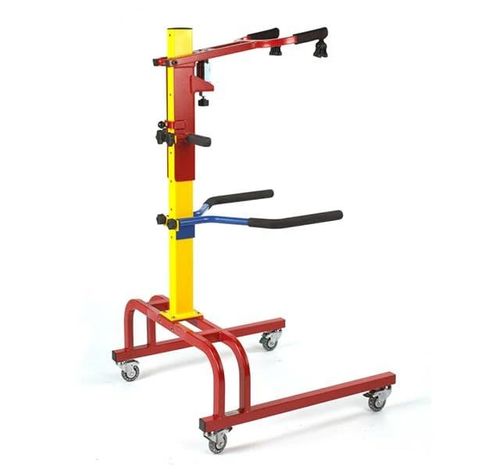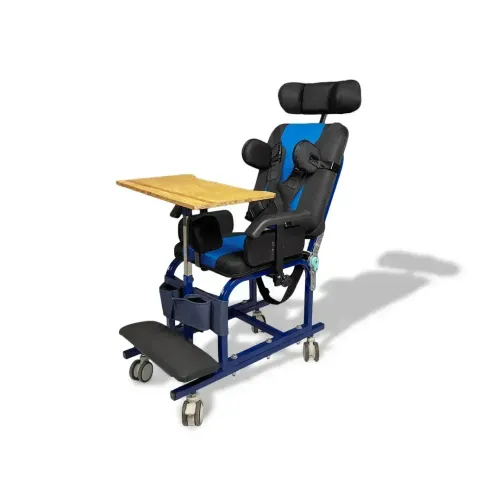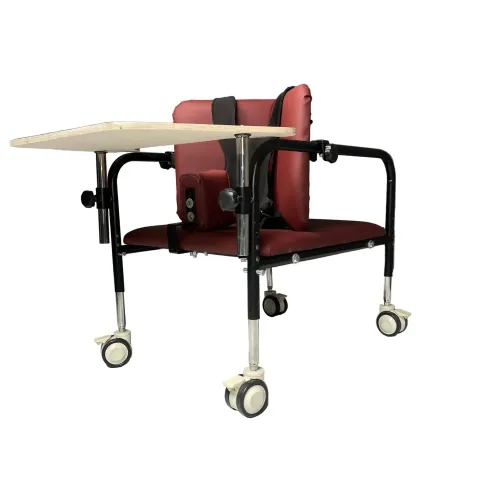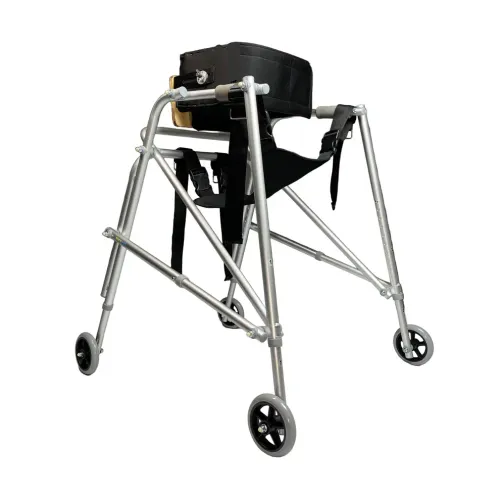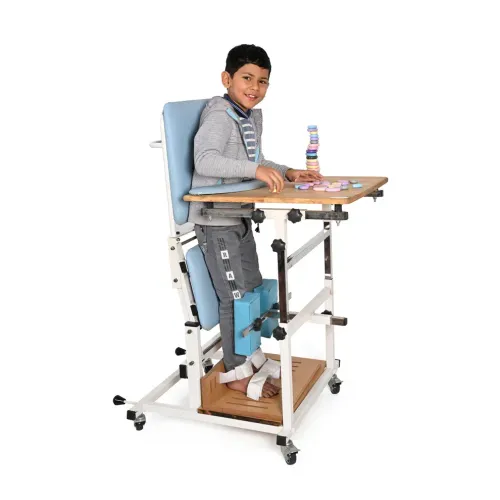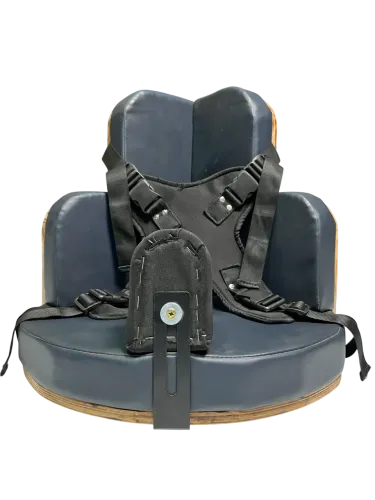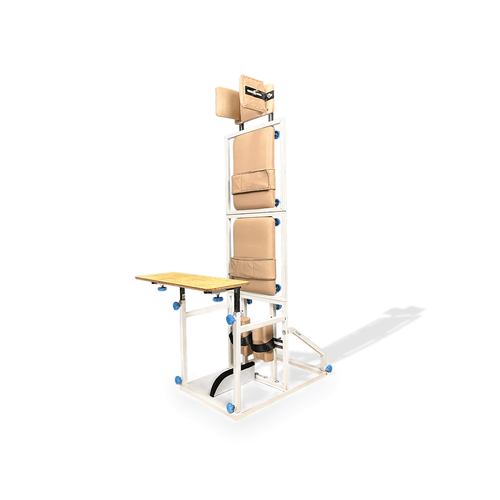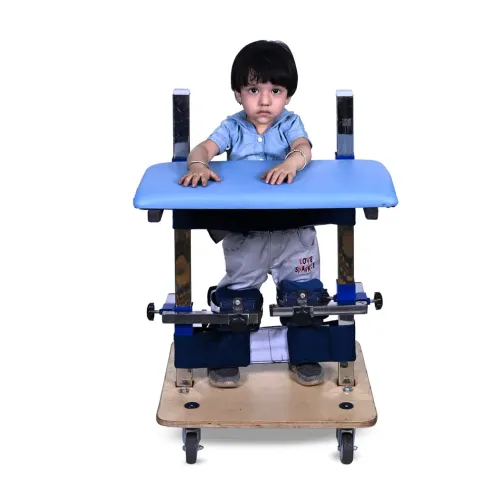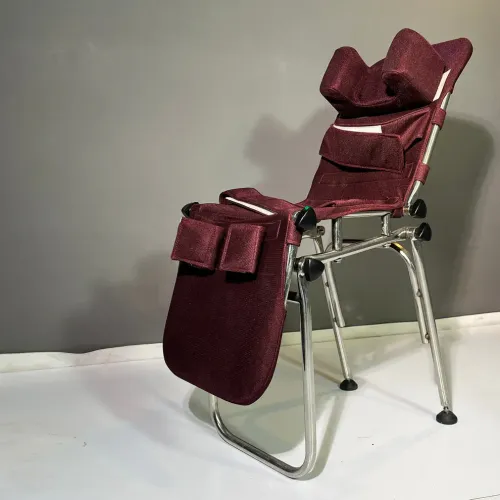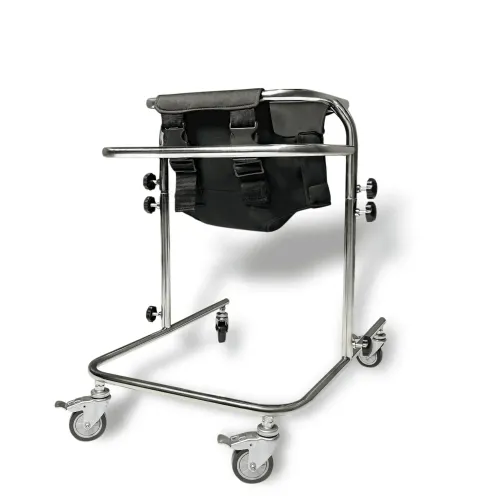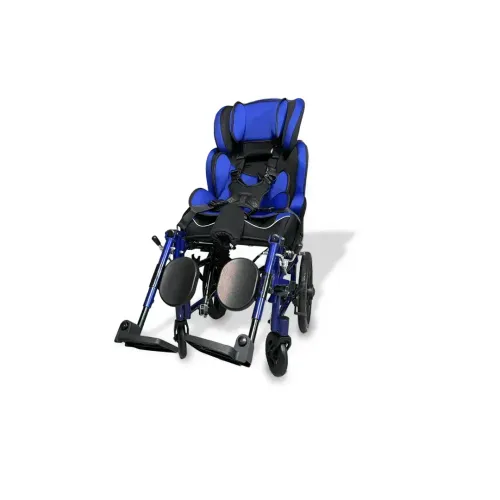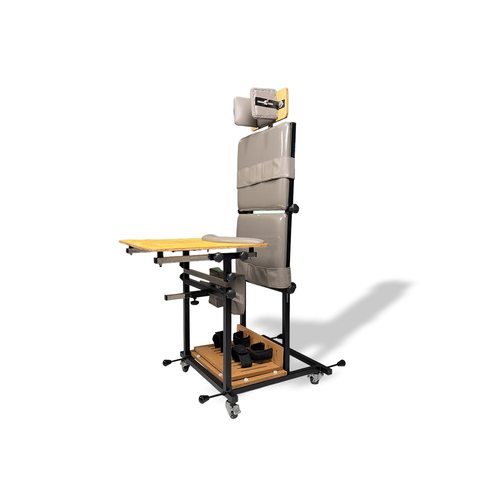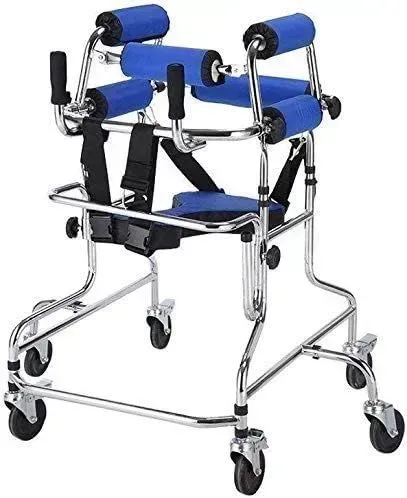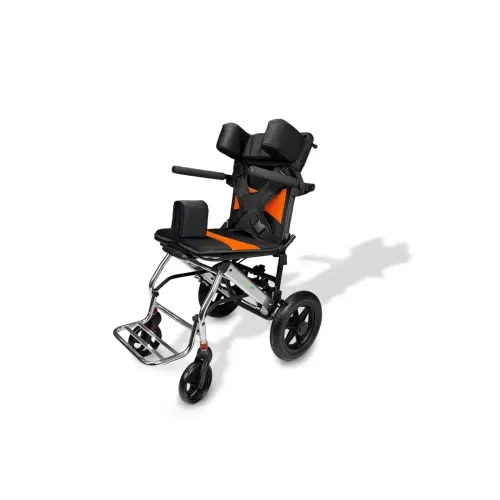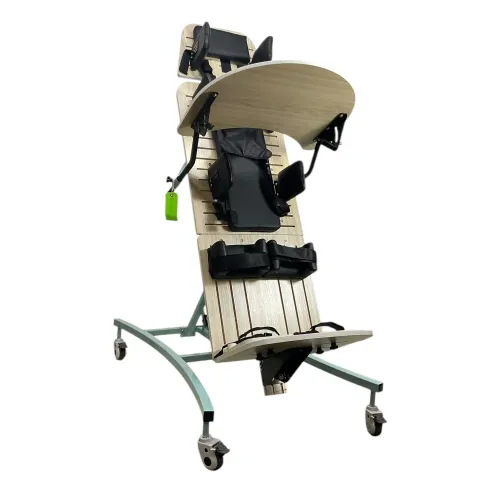
Custom-made rehabilitation equipment for children with Cerebral Palsy, neuromuscular conditions, developmental delays, and other mobility challenges. Designed in collaboration with therapists to support standing, walking, posture, seating, and independent mobility at home and during therapy.
Discover seating, standing, walking and mobility solutions designed to help children build comfort, confidence and greater participation in everyday life.
Learn about adjustments, growth features, trial periods, and safety.
Pediatric rehabilitation equipment is designed to support children's mobility, posture, comfort, and participation in everyday activities. Depending on the child's needs, equipment may include pediatric wheelchairs, gait trainers, walkers, adaptive seating systems, standing frames, positioning cushions, bathing and toileting chairs, and other mobility aids. The right equipment helps children participate more comfortably at home, school, therapy sessions, and in the community.
Children with Cerebral Palsy often require equipment that supports posture, mobility, and daily activities while encouraging independence. Depending on the child's age, muscle tone, balance, and mobility level, suitable equipment may include adaptive seating systems, standing frames, gait trainers, pediatric wheelchairs, walkers, positioning cushions, and bathing or toileting aids. The choice of equipment should match the child's current abilities and rehabilitation goals.
Choosing the right equipment depends on your child's diagnosis, age, height, weight, posture, muscle control, mobility level, and daily routine. It's also important to consider where the equipment will be used, such as at home, school, or therapy centres. Selecting equipment that provides proper support today while allowing adjustments for future growth can improve comfort, safety, and participation in everyday activities.
Children grow quickly, which is why many pediatric rehabilitation products are designed with adjustable features. Depending on the product, seat width, back height, footrests, headrests, and other supports can often be adjusted to accommodate growth. Choosing equipment with growth-adjustable features can extend its usable life and provide better long-term value.
Yes. Many pediatric rehabilitation products can be customized to meet each child's individual needs. Depending on the product, customization options may include headrests, lateral supports, pelvic supports, harnesses, trays, footrests, abductor blocks, positioning accessories, and seating adjustments. Proper customization improves comfort, posture, safety, and functional support during daily activities and therapy.
A properly fitted rehabilitation product is essential for your child's comfort, safety, and development. Measurements such as height, weight, hip width, leg length, trunk control, and posture help determine the appropriate size and configuration. Sharing these details, along with photographs or videos, allows rehabilitation specialists to recommend suitable equipment and any necessary adjustments.
Yes. Many pediatric rehabilitation products are designed for use in multiple environments, including home, school, therapy centres, and outdoor activities. Choosing equipment that is easy to adjust, transport, and use in everyday settings helps children participate more actively in learning, play, and family life while supporting their rehabilitation goals.
Before purchasing rehabilitation equipment, consider your child's current abilities, future growth, daily activities, home environment, transportation needs, caregiver support, and long-term rehabilitation goals. Also think about adjustability, comfort, durability, ease of maintenance, and whether the equipment can adapt as your child's needs change over time.
If you're unsure which product is suitable, our team can help. Simply share your child's diagnosis, age, height, weight, mobility level, and photographs or videos. Based on this information, we can recommend suitable rehabilitation equipment, explain available features, and discuss customization options to help you make an informed decision. This guidance is intended to support, not replace, advice from your child's healthcare professionals.
Appropriately selected rehabilitation equipment can help children develop better posture, improve mobility, participate more comfortably in daily activities, and reduce the risk of secondary complications such as poor positioning or joint contractures. When used alongside therapy and medical care, suitable equipment can support greater independence and improve quality of life for both children and their caregivers.